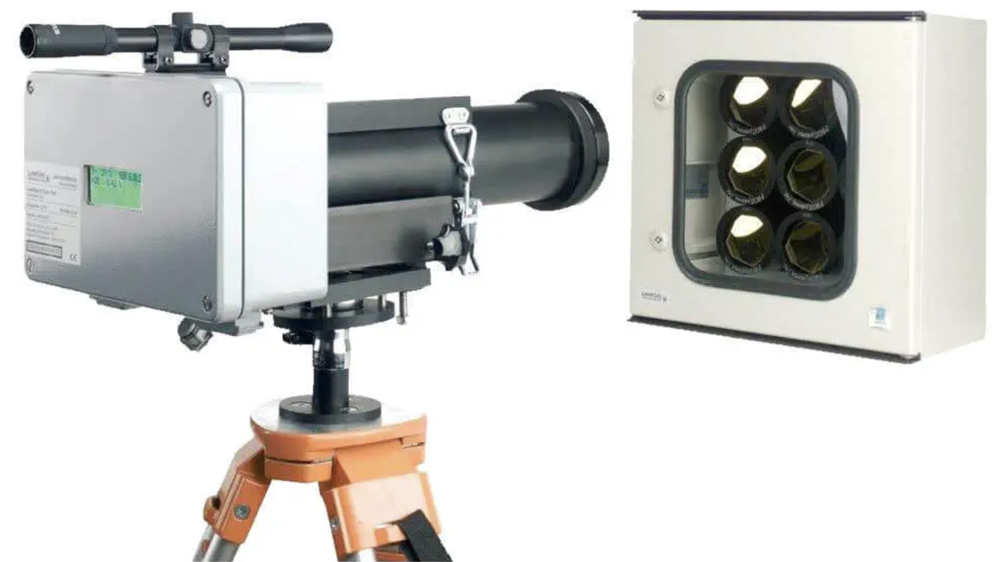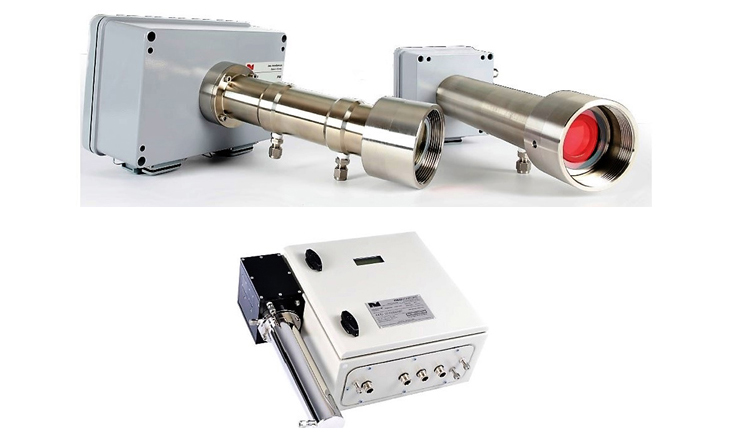


Different technologies are available on the market to measure the quality of liquefied natural gas for evaporative gas applications. Traditionally, gas chromatographs have been used to measure gas composition and calorific value. These systems need calibration/carrier gases and require manual operation during navigation.
Shipowners have expressed interest in alternative technologies. Technologies to reduce both the cost of analysis and manual handling on board ships. Obviously, maintaining or improving the accuracy of gas quality measurements.
Tunable gas analyzer technology
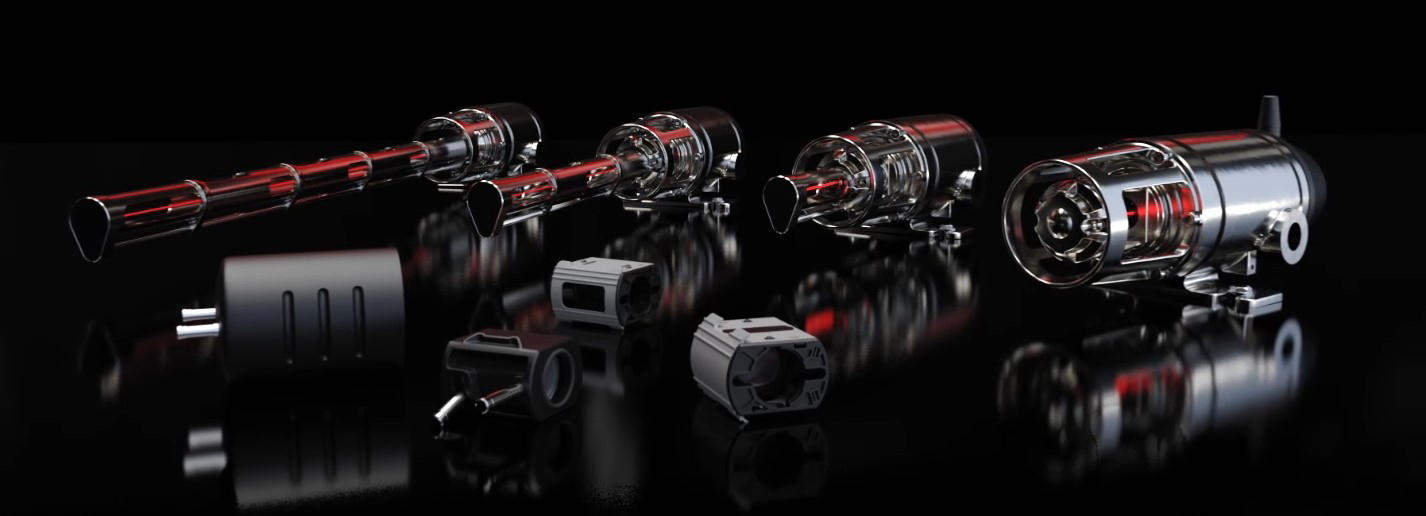
The gas analyzer measures the gas composition by infrared absorption spectroscopy. Each gas component has a unique infrared “fingerprint”. A small stream of gas from the fuel tube of the evaporation gas is extracted by means of a sample probe. It is then introduced into the gas analyzer.
By illuminating the gas sample with infrared light at various wavelengths, the analyzer shows us its “fingerprint”. It determines the presence as well as the concentration of individual gas components. The measuring principle is illustrated in Figure 1. A key component in the analyzer is a (patented) micro-electro-mechanical filter (MEMS). This filter is broadly tunable and capable of scanning the wavelength of infrared light continuously over a wide bandwidth. The wide scan allows identification and quantification of all gas components of interest and minimizes cross-interference.
In addition, the fast response of the MEMS filter allows measurement of dynamic changes in the mixture. Even when relatively small gas volumes are sampled.

Figure 1. Measuring principle of the Tunable natural gas analyzer
Improved knowledge of data for better understanding of fuel consumption
Some LNG carriers have installed gas analyzers to measure the quality of evaporative gas consumed as fuel during navigation. Generally, the shipowner and the charterer agree on fixed evaporation and fuel consumption rates as part of their charter/carriage contract.
However, the actual gas consumption and value are affected by the actual gas mixture supplied during the trip and may differ from those expected. By having access to online gas analysis of the actual fuel consumed during navigation, the shipowner and charterer obtain accurate data that could benefit and alter their commercial agreements.
Full-scale field test at FSRU Höegh Galleon
Höegh LNG and Tunable began technological cooperation in 2018. The objective was to test, on board the FSRU (*) Höegh Galleon, a gas analyzer technology that requires less manual support, using the Tunable optical gas analyzer to measure the quality of the evaporation gas. A standard gas chromatograph and the Tunable gas analyzer were installed in parallel to verify and compare the performance of the two technologies.
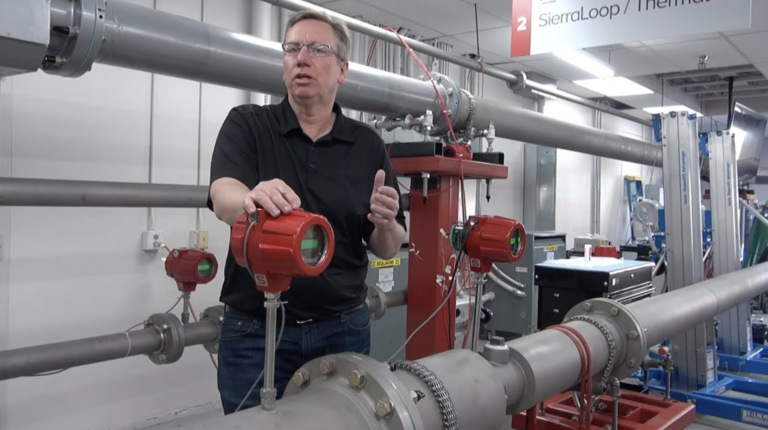
For both technologies, the evaporation gas was extracted using an identical sampling probe. It was introduced into the system of their respective gas analyzers. Figure 2 shows an image of the Tunable gas analyzer installed on the FSRU galleon Höegh.

Figure 2. Gas analyzer installed at FSRU Höegh Galleon
(*) FSRU = Floating Storage Regasification Unit = Unidad Floating de Almacenamiento y Regasificación
Experience of large-scale field tests
Both analyzers have been in operation since September 2019. Since then they have continuously measured the gas quality and the calorific value of the evaporation gas. During this period, the Tunable analyzer has been in continuous operation providing heating power C1 – C5 + N2 + as can be seen in Figure 3.

Figure 3 Data output C1-C5 + N2 of the Höegh Galleon FSRU tunable analyzer June-September 2021
To analyze the data in more detail, we have shown in Figure 4 a month of operation with data from both instruments. In this summary we see that both instruments provide similar data readings. During the return trip before the next load, the liquefied natural gas tank is sprayed with methane to maintain tank temperature. This operation is identified by the Tunable analyzer as shown in the red line.

Figure 4 . FSRU Höegh Galleon methane reading April – May 2020
The objective of the full-scale test, in addition to demonstrating consistent long-term readings, has been to gain operational experience of the system after offshore use. Since its commissioning in September 2019 until today, the Tunable analyzer has been in continuous operation with no operational problems.
Analysis of results
During this period, the system has operated without the need for manual support. In addition, since the system does not require any calibration/carrier gas cylinders to operate. This has avoided additional logistical problems for the ship’s crew. Remote status and service monitoring have been successfully tested via datalink during operations, eliminating the need for onboard service personnel.
Experience on installation is that the system is small and weighs less than 30 kg for the complete analyzer system. It can also be easily hung on the wall near the sample probe location.
Another benefit confirmed by the test is that the gas analyzer system has provided continuous gas flow measurements. This provides rapid data responses to operational changes in gas quality. As it is a continuous measurement, the system is less sensitive to the distance between the sampling probe and the analyzer. This allows the data to be used to improve engine performance.
Real-time analysis to improve the performance of liquefied natural gas carriers
Many shipowners are looking for alternative fuels to reduce their GHG (greenhouse gas) footprint. For this reason, we see a substantial increase in LNG-powered vessels. Variations in gas quality, particularly when forced evaporative and natural gas are combined, make it difficult to operate engines at optimum load. By gaining a better understanding of the quality of the gas entering the engine, it is possible to improve its efficiency.
By providing real-time data, the Tunable gas analyzer allows engines to be operated at a higher load when using fuel with variations in gas quality. This allows vessel operators to have a higher load level on one engine before the next engine starts without risk of connecting rod pitting.
This translates into direct savings in fuel consumption. This is because the engine will run more efficiently. And it also reduces engine operating hours. In addition to direct fuel savings and reduced engine maintenance costs, the shipowner will benefit from a reduction in the vessel’s overall gas emissions.
Conclusion
The field test demonstrated that the Tunable gas analyzer successfully measured gas mixtures according to the specifications required for LNG carriers. The benefits for shipowners are that they get on-site readings without delay and without calibration gas consumption.
Analyzers require less support. This implies significantly lower operating and maintenance costs compared to alternative technologies.
The test has also demonstrated that the technology is well suited for future exploration of multi-gas data flow analysis for engine dynamic optimization.