

The organic load of raw water can no longer be managed solely with occasional laboratory analyses. In a context of greater variability in incoming water quality, having a continuous SAC 254 measurement makes it possible to anticipate incidents, optimize coagulation, monitor activated carbon filters, and improve the efficiency of UV disinfection.
In many DWTPs, the issue is not just “measuring more”, but reacting in time. When natural organic matter changes abruptly due to storms, runoff, or changes at the intake, the margin to correct the process shrinks. That is where continuous monitoring of the spectral absorption coefficient at 254 nm, or SAC 254, delivers real value: it turns a critical process variable into a useful operational signal for making decisions in real time, not hours later.
Organic load: a variable that seems small, but has a huge impact
Water intended for human consumption naturally contains organic compounds from rivers, lakes, reservoirs, and aquifers. Humic and fulvic acids and other biomass-derived compounds are a common part of that matrix. The problem arises when that organic load interferes with drinking water treatment and, above all, when it reacts with disinfectants, generating unwanted by-products such as trihalomethanes and haloacetic acids. In addition, it can compromise the microbiological stability of the network and alter the water’s color, odor, and taste.
In other words: controlling organic matter is not a secondary improvement. It is a variable that affects:
- Public health safety
- Chemical cost
- Sludge production
- Filtration performance
- Energy consumption of UV disinfection
Why SAC 254 has become such a useful operational indicator
Laboratory analyses and aggregate parameters such as TOC or COD are still useful, but they do not always respond at the speed a DWTP requires.
SAC 254 offers a decisive advantage: it is a direct optical measurement, reagent-free, with continuous response and the ability to track trends in real time.
This allows the operator to respond sooner to changes in raw water and adjust the process with better judgment. In addition, SAC 254 focuses precisely on the organic fraction with the greatest UV absorption capacity and is therefore especially relevant from the standpoint of disinfection by-product formation potential.
What matters is not only measuring, but measuring stably
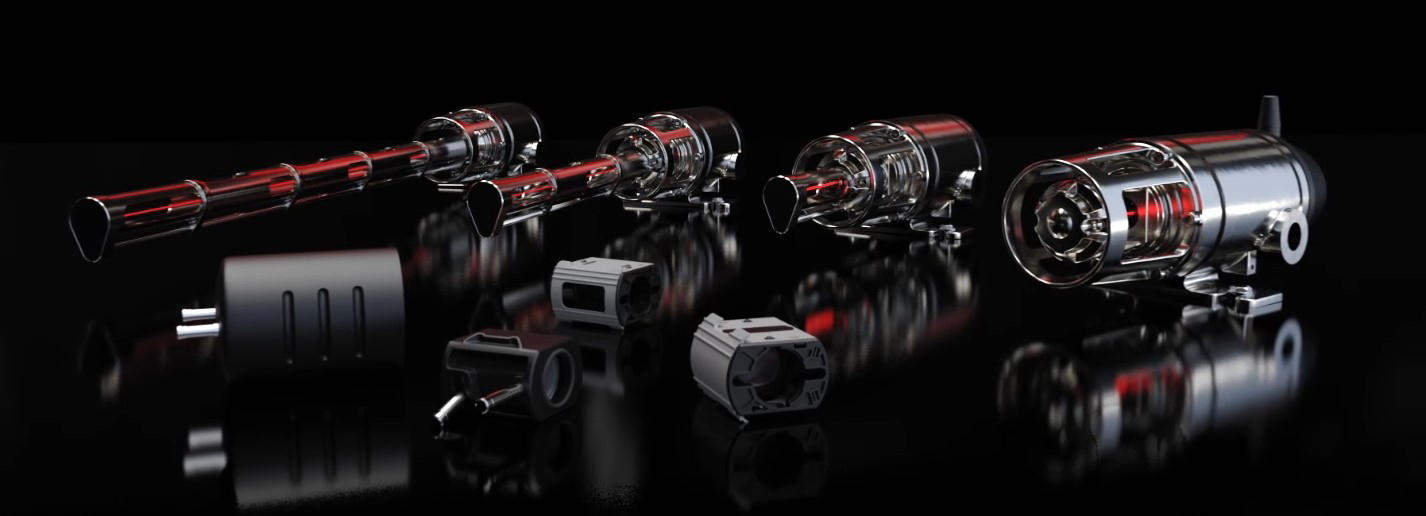
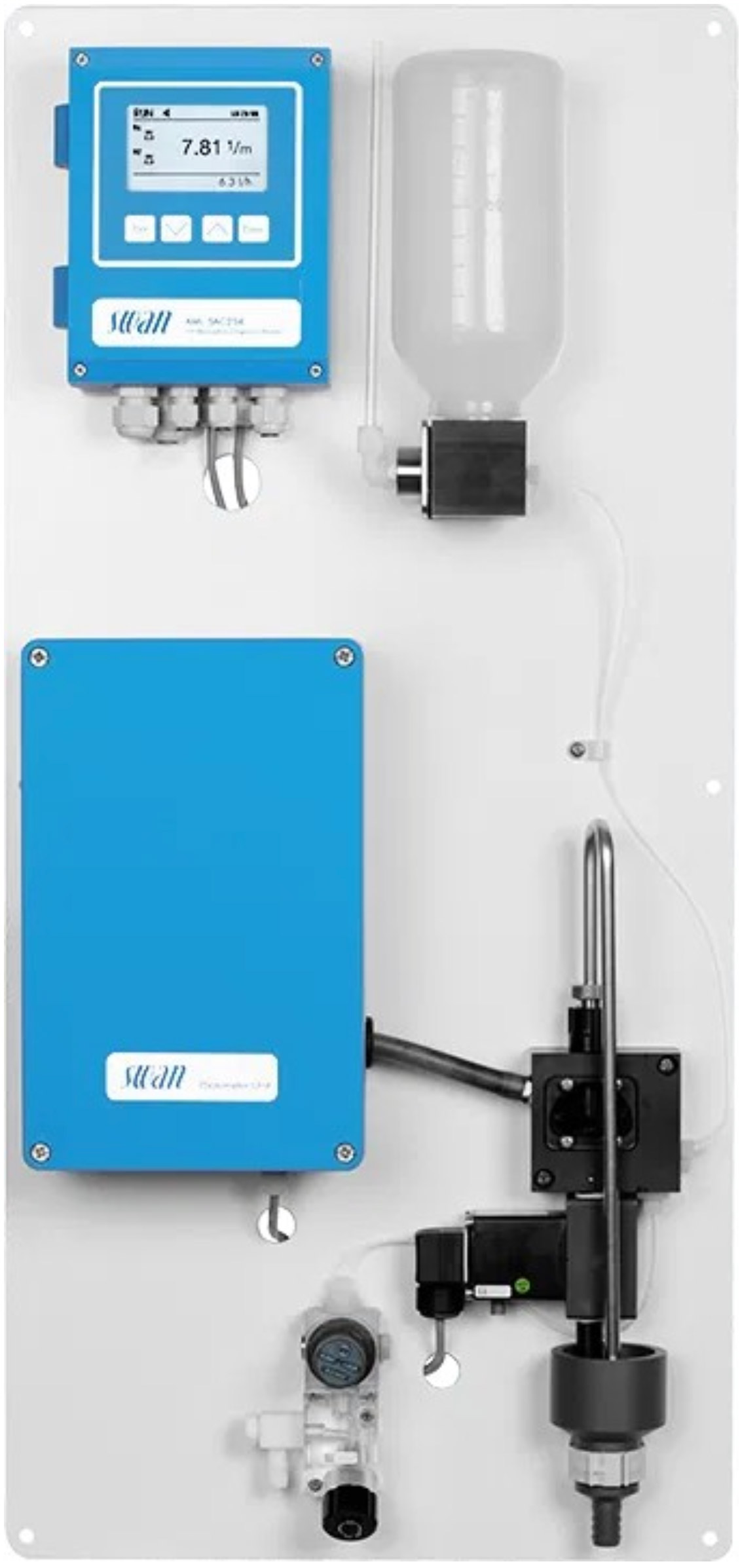
One of the classic problems with many online photometers is that reliability deteriorates as the lamp ages and optical surfaces become fouled. The AMI SAC 254 from SWAN ANALYTICAL INSTRUMENTS addresses this with a dynamic measurement principle based on variable optical path lengths, which reduces dependence on the lamp’s initial intensity and minimizes the effect of fouling on the measurement. This is a key difference when true stability in continuous operation is required.
In operational terms, this translates into fewer interventions, fewer recalibrations, and greater confidence in the signal. In a DWTP, a reliable signal is worth more than a very sophisticated but unstable one.
Where it delivers the most value in a DWTP

1) Intake: detect earlier to act earlier
Installing SAC 254 at the plant inlet makes it possible to identify rapid changes in raw water quality and anticipate runoff events, abnormal organic matter inputs, or changes due to heavy rainfall. Instead of discovering the problem downstream, the operator sees it at the start of the process.
2) Coagulation–flocculation: dose with better judgment
Dosing based on experience or periodic jar tests may fall short when the water changes quickly. Continuous monitoring of SAC 254 makes it possible to adjust coagulation based on the actual organic load, reducing overdosing, chemical consumption, and unnecessary sludge generation.
3) Activated carbon filters: monitor saturation before breakthrough
At the outlet of the GAC filters, the trend of SAC 254 makes it possible to detect progressive exhaustion of the filter media and plan regeneration or replacement with better judgment. This helps avoid loss of treated water quality and make better use of the installed activated carbon.
4) UV disinfection: save energy without compromising safety
When UV transmittance is good, there is no point in always operating at the same lamp intensity. The AMI SAC 254 enables continuous UVT calculation and adapts UV system power to the water’s actual conditions, reducing electricity consumption and associated lamp wear.
What changes when the plant stops operating “blind”
The difference between continuous and spot measurements is not only analytical; it is operational. With a continuous SAC 254 signal, the DWTP can move from a reactive model to a preventive one:
- Detect deviations in raw water before they impact later stages
- Adjust reagents more precisely
- Reduce the risk of disinfection by-product formation
- Monitor activated carbon filters based on real trends
- Optimize the energy cost of the UV stage.
Beyond the data: understanding the type of organic matter
When SAC 254 is combined with DOC, it is possible to calculate the SUVA parameter (Specific Ultraviolet Absorbance). This parameter makes it possible to determine what type of organic matter is present in the water and therefore how easily disinfection by-products such as TRIHALOMETHANES will be formed. This parameter indicates what type of organic matter is in the water and how readily it generates disinfection by-products, such as trihalomethanes (THMs).
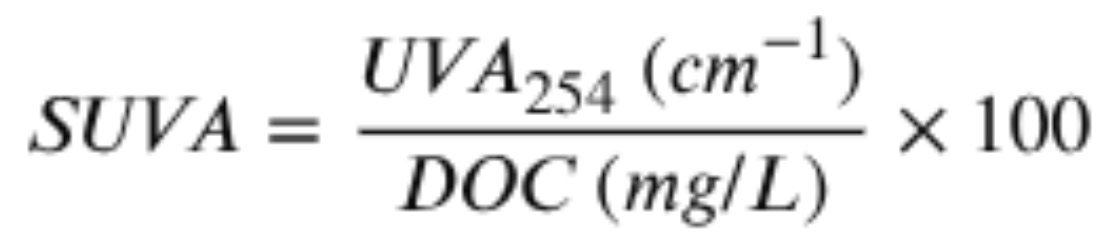
UVA 254: Absorbance at 254 nm (measured by AMI SAC 254)
DOC: Dissolved Organic Carbon.
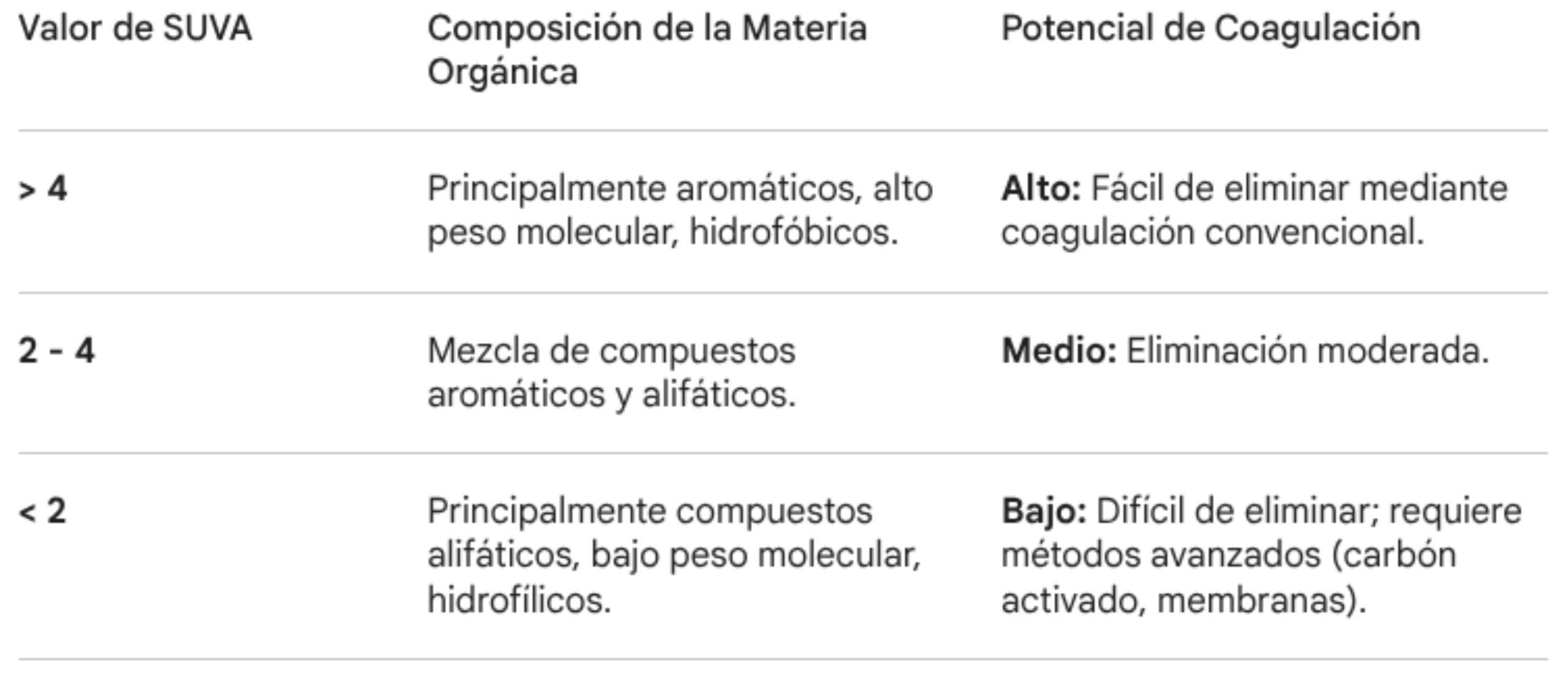
Trihalomethane (THM) prediction: A high SUVA indicates a high likelihood that, when disinfectant is added, by-products such as trihalomethanes will form.
Chemical optimization: If SAC 254 rises suddenly (due to rain, for example), the operator knows to increase the coagulant dose before the outlet water quality is affected.
Energy efficiency: Avoids overdosing chemicals, which reduces costs and downstream sludge.
A technology focused on availability, not complexity
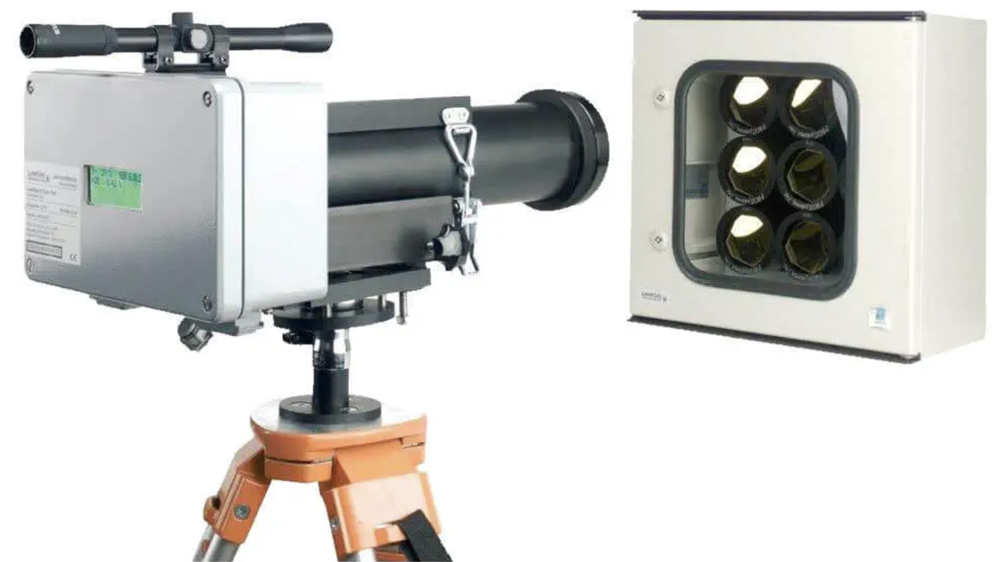
The AMI SAC 254 is supplied as a complete panel-mounted system, with an IP66 transmitter, configuration for short measurement intervals, industrial communications capability, and an automatic cleaning option for applications with a higher risk of biological growth. The approach is clear: to provide a robust, maintainable measurement in real plant conditions.
Conclusion
In drinking water, organic load should no longer be treated as a secondary variable or as a laboratory result that arrives too late. Continuous SAC 254 monitoring makes it possible to turn a common source of uncertainty into an operational control tool.
For a DWTP, that means:
- Greater ability to anticipate,
- Better process adjustment,
- Less unnecessary consumption,
- Greater safety against deviations that affect final water quality.
And when that monitoring is supported by a robust solution, designed to operate stably and with low maintenance, the return is not only technical: it is also economic and organizational.
At Matelco, we help operators, engineering firms, and plant managers identify where online SAC 254 measurement delivers the most value within their drinking water treatment process. If you would like to evaluate this technology in your DWTP, our technical team can review your specific application and propose the most suitable configuration.
Would you like to reduce uncertainty at the intake, optimize coagulation, or better monitor activated carbon and UV performance? Contact Matelco and we will review your case.