

Legionella
It is a bacterium present in surface waters such as rivers, lakes and ponds. From these natural reservoirs, the bacteria colonize the supply systems of the cities, and through the water distribution network, they are incorporated into the sanitary water systems (cold or hot) or others that require water for their operation and can generate aerosols. Hence the importance of a correct prevention of legionellosis.
These are usually installations that sometimes favor water stagnation and the accumulation of products that nourish these bacteria, such as sludge, organic matter, corrosion material and amoebae, which end up forming a biofilm.
At certain temperatures, this biofilm favors the multiplication of Legionella, making it a source of infection for humans. Especially if it reaches an aerosol-producing mechanism, where bacteria can be dispersed and people can end up getting sick by inhaling them with the contaminated aerosol.
Major foci of Legionella infection
The facilities most commonly identified as a source of infection are:
- Domestic hot water systems: network and tanks, accumulators, boilers, heaters,
- Sanitary cold water systems: network and tanks, accumulators, tanks, tanks, cisterns, wells…
- Cooling towers
- Evaporative condensers
- Air conditioning ducts
- Respiratory therapy equipment such as ventilators and nebulizers
- Humidifiers
- Heated swimming pools, with or without movement
- Thermal facilities
- Decorative fountains
- Irrigation systems
- Firefighting equipment
- Outdoor aerosol spray cooling elements
- Other equipment that accumulates water and can aerosolize water
The importance of prevention and control of legionellosis in industrial facilities based on water analysis.
Measures to prevent Legionella focus on avoiding conditions that favor its colonization, multiplication and dispersion, such as temperature, water stagnation and accumulation of substrates.

In April 2017, AENOR’s CTN 100 updated the UNE 100030 Standard on the criteria to be taken into account for the prevention and control of legionella bacteria in certain installations and equipment located in buildings, to avoid the risk of infection by legionellosis; a disease that can become fatal.
These criteria are focused on the good maintenance of the elements of each installation, eliminating and reducing the dirty areas that can serve as food for bacteria through water treatment. One of the daily tasks depending on the facility is to monitor the levels of free residual chlorine, pH, turbidity, conductivity, and biocide at a representative number of points in the facility.
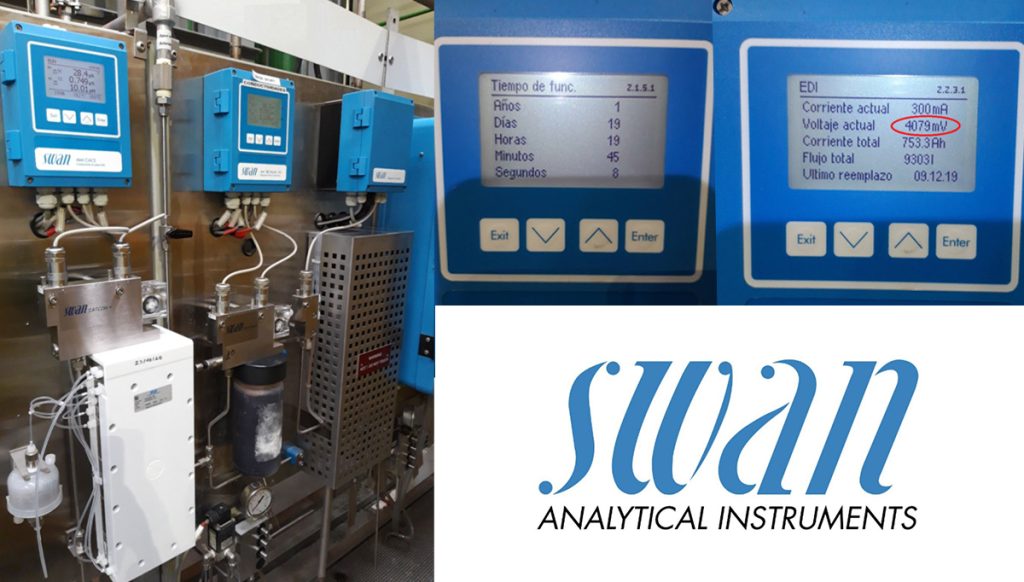
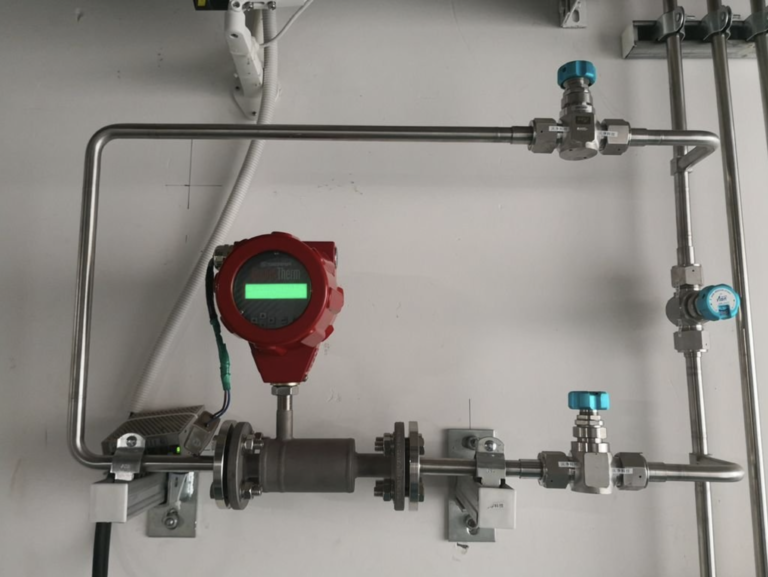
In this sense and in order to provide antimicrobial protection, Matelco has portable and continuous chlorine analyzers that measure free chlorine, combined chlorine and total chlorine, as well as turbidity analyzers, conductivity …. ensuring the level required by the regulations.
Because health comes first.